
A Chinese tutor speeds composition progress through immediate corrections, targeted explanations, and culturally informed phrasing. They diagnose recurring grammar and lexical gaps, then prioritize a few patterns per session to avoid overload. Lessons blend mini‑grammar repairs, model texts chinese tutor, and scaffolded drafting to build structure, register, and idiomatic tone. Regular timed prompts, revision logs, and milestone rubrics track gains and foster autonomy. Continue for practical steps, sample activities, and a clear plan to apply these strategies.
Why a Tutor Accelerates Your Chinese Writing Progress
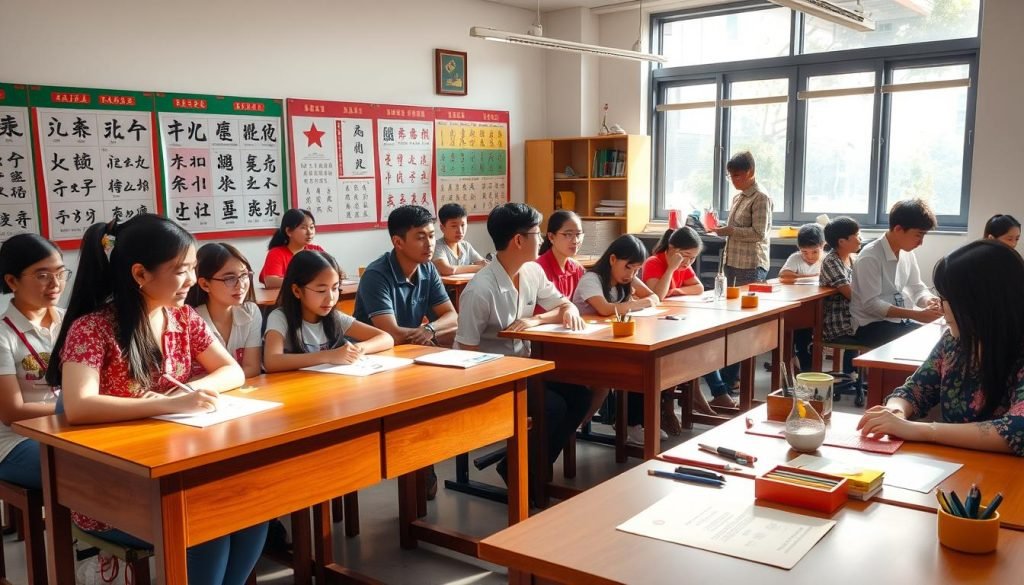
Many learners make faster, steadier gains in Chinese composition when guided by a tutor who provides real-time corrections yanzi mandarin, targeted explanations, and culturally informed examples. A tutor offers native feedback that clarifies nuance, idiom choice, and tone, helping writers craft authentic sentences rather than literal translations. Systematic error analysis identifies recurring structural and lexical mistakes, turning weaknesses into learning points. The tutor models revision strategies, suggests concise phrasing, and introduces culturally appropriate register shifts for different contexts. Sessions balance corrective input with creative freedom, encouraging experimentation within accurate frameworks. By combining focused correction, explanatory mini-lessons, and culturally grounded examples, a tutor accelerates progress efficiently, enabling learners to write with greater confidence, accuracy, and stylistic awareness without sacrificing autonomy.
Assessing Your Current Composition Strengths and Weaknesses
To begin evaluating composition skills, the tutor examines grammar and vocabulary usage to identify recurring errors and lexical gaps that hinder precise expression. Attention then shifts to structure and coherence, evaluating paragraph organization, logical flow, and the clarity of linkages between ideas. This systematic appraisal informs a targeted plan that balances corrective drills with practice in composing culturally appropriate, well-structured texts.
Grammar and Vocabulary
Begin by evaluating specific grammar and vocabulary patterns that frequently appear in a student’s compositions: tense consistency, sentence structure, word choice, collocations, and register. The tutor notes whether sentence variety supports expression and whether idiom usage is natural or forced. Attention focuses on error patterns — article misuse, verb forms, prepositions — and on lexical range: repetitive words, weak shifts, overreliance on literal translations. Cultural nuance matters: appropriate register and culturally resonant collocations enrich writing without constraining freedom. Feedback prioritizes teachable, repeatable strategies that the learner can adopt independently.
- Identify recurring grammar errors and corrective exercises.
- Map vocabulary gaps and suggest synonyms, collocations, and idioms.
- Set concise goals for controlled practice and autonomous improvement.
Structure and Coherence
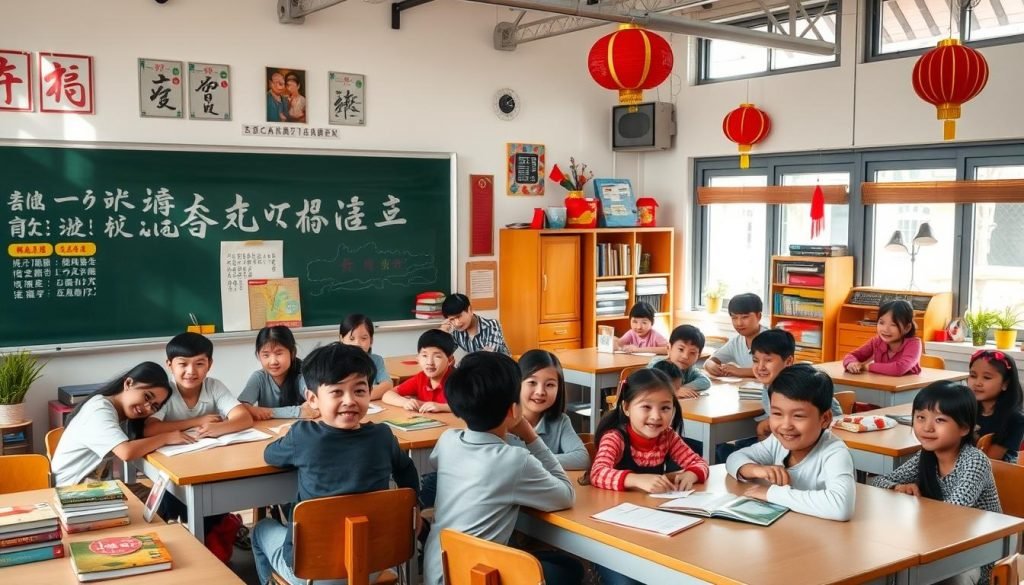
In evaluating structure and coherence, the tutor examines how ideas are organized, how paragraphs connect, and whether shifts guide the reader logically from thesis to conclusion. The assessment identifies strengths like clear essay flow and paragraph unity, and pinpoints weaknesses such as abrupt shifts or uneven development. The tutor recommends a flexible outline that honors cultural voice while enforcing logical sequencing: topic sentences, evidence, brief commentary, and linking phrases. Emphasis is placed on balancing freedom of expression with disciplined organization so arguments remain accessible and persuasive. Practical exercises include reordering sentences for clarity, tightening topic sentences, and practicing shifts that preserve rhythm. Regular review fosters stronger structural instincts and consistent paragraph unity across varied prompts.
Key Elements Tutors Focus On: Structure, Vocabulary, and Tone
With a focus on practical outcomes, tutors break composition into three teachable components—structure, vocabulary, and tone—each addressed with targeted exercises and examples. Tutors emphasize clear paragraphing and logical progression, showing how topic sentences and transitions create coherent flow. Vocabulary work balances precision and voice, introducing idiomatic expressions within cultural context so learners can write freely and authentically. Tone training helps writers choose formality, humor, or restraint according to purpose, respecting audience and cultural nuance.
- Structure: paragraph sequencing, thesis clarity, cohesive devices.
- Vocabulary: word choice, register, idioms and contextual usage.
- Tone: appropriate voice, emotional restraint, audience alignment.
The approach supports independence, cultural sensitivity, and expressive freedom in composition.
Effective Tutoring Methods and Session Formats
Drawing on flexible lesson design and measurable goals, effective tutoring blends diagnostic assessment, focused mini-lessons, and scaffolded practice to build composition skills systematically. The tutor alternates individual conferencing with small-group workshops to leverage group dynamics while preserving learner autonomy. Sessions vary: short intensive drills, extended drafting periods, and reflective debriefs that model cultural conventions without enforcing uniformity. Clear rubrics and targeted exemplars guide progress; adaptive pacing honors personal choice. Technology supports asynchronous review and real-time annotation, optimizing feedback timing to be immediate for formative tasks and delayed for summative drafts. Consistent routines establish safety; optional pathways invite exploration. Overall, methods prioritize transferable strategies, respectful cultural framing, and formats that balance structure with the freedom learners seek.
Practical Exercises and Homework to Build Skills
The tutor recommends short, daily timed prompts to build fluency and train students to organize thoughts under pressure. Complementary homework includes structured peer-review swaps that teach constructive feedback and expose learners to diverse styles and errors. Together, these practices reinforce self-editing habits and cultural awareness of tone and register in Chinese composition.
Daily Timed Prompts
Regularly assigning short, timed writing prompts helps students develop fluency, organization, and the ability to produce coherent essays under pressure. The tutor introduces daily timed prompts that target specific skills—sentence variety, thesis clarity, and cultural context—while tracking progress. These exercises build writing stamina and reduce anxiety by shaping predictable practice routines. Prompts respect students’ desire for expressive freedom, offering open-ended topics rooted in Chinese language and lived experience. Feedback focuses on structure, vocabulary, and effective revision strategies, encouraging autonomy. Over time, brief sessions accumulate into measurable improvement in speed and depth without sacrificing nuance. The approach balances discipline with creative space, empowering learners to control pacing and pursue personal voice.
- Short, focused prompts
- Progressive difficulty
- Brief reflective checkpoints
Peer Review Swaps
By exchanging drafts in structured peer review swaps, learners gain concrete perspectives on audience response and revision priorities while practicing critical feedback in Chinese. The activity pairs students to perform timed readings, annotate strengths, and note patterns of error spotting, fostering mutual responsibility without hierarchical judgment. Tutors model neutral phrasing for peer feedback, demonstrate cultural norms for critique, and provide checklists that balance grammar, coherence, and voice. Assignments rotate roles so each student both gives and receives commentary, then revises and reflects. Homework emphasizes brief revision logs and optional follow-up conversations to preserve autonomy. Over time, learners develop sharper self-editing, greater tolerance for diverse styles, and the freedom to choose revisions that align with personal expression while meeting communicative goals.
Using Model Texts and Targeted Corrections Wisely
Although model texts offer reliable templates for structure and phrasing, a skilled tutor frames them as flexible guides rather than rigid standards, helping learners discern which features to adopt, adapt, or discard. The tutor encourages model emulation selectively, showing how genre conventions and voice can be borrowed without stifling originality. Targeted corrections focus on recurrent issues revealed by error analysis, prioritizing a few patterns each session so autonomy grows without overwhelm. Cultural nuances are highlighted so choices feel authentic and freeing. Practical activities balance imitation and invention, and feedback fosters risk-taking rather than caution. The aim is gradual internalization: students learn to choose from models thoughtfully and to self-correct with confidence.
- Compare favorite model passages
- Track recurring errors
- Practice adaptive rewrites
Measuring Improvement and Setting Long-Term Writing Goals
Having established strategies for using model texts and targeted corrections, the tutor shifts attention to how progress will be measured and sustained over time. The tutor implements clear progress tracking: portfolios, periodic timed essays, and comparative rubrics that show gains in vocabulary, structure, and coherence. Milestone planning frames the learner’s autonomy, setting short-term targets (weekly drafts, feedback cycles) and long-term aims (exam readiness, creative fluency). Cultural nuance is integrated: goals respect idiomatic expression and register appropriate to contexts. Regular reflection sessions encourage learners to choose priorities, adjust pacing, and claim ownership of their path. Data and qualitative notes inform revisions to study plans, ensuring measurable momentum while preserving freedom to explore style and voice.
Frequently Asked Questions
How Do I Find and Vet a Qualified Chinese Composition Tutor?
Begin by using a qualifications checklist to screen credentials, experience, and teaching style; arrange trial sessions to assess fit, feedback methods, and cultural sensitivity; then verify references, sample lessons, rates, and scheduling flexibility before committing.
Can Online Tutors Provide Effective Handwriting and Character Correction?
Yes. They can effectively teach stroke order, refine character spacing, correct handwriting through live video, annotated feedback, and paced drills. Tutors balance technical instruction with cultural nuances, empowering learners to write freely and confidently.
What Are Typical Costs and Session Lengths for Tutoring?
Typical costs vary: hourly rates commonly range from $15 to $60, with session lengths of 30 to 90 minutes. The overview is clear, pedagogical and culturally-aware, offering learners flexible, autonomy-supporting options to suit goals.
How Can Tutors Help With Exam-Specific Formats Like HSK Writing?
Tutors scaffold exam formats like HSK writing by teaching structure, phrase banks, and scoring criteria; they run timed practices, give targeted feedback, model cultural conventions, and empower learners to develop flexible strategies for independent, confident performance.
Are Group Tutoring or Peer Review Sessions Effective Alternatives?
Yes; they can be effective. The tutor observes how peer workshops and collaborative drafting build fluency, cultural nuance, and exam strategies. Participants gain autonomy, diverse feedback, and real-world practice while maintaining structure and targeted guidance.
Conclusion
A Chinese tutor’s guidance reframes composition practice into focused, culturally informed progress. By diagnosing strengths and gaps, emphasizing structure, vocabulary, and tone, and using model texts with targeted corrections, tutors make learning efficient and meaningful. Regular, varied exercises and clear homework sustain improvement, while measurable goals maintain motivation. Over time, students gain not only technical skill but also cultural insight and expressive confidence, enabling increasingly sophisticated, authentic written Chinese.
About The Author
